
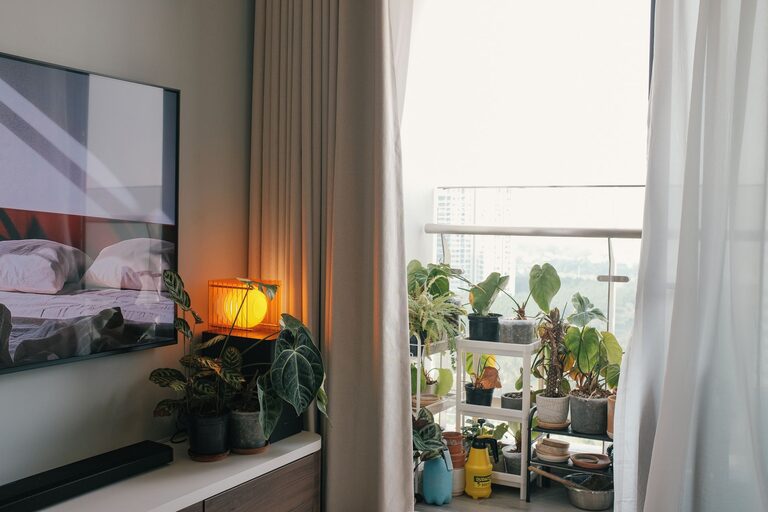
Creating a cozy and inviting home environment is all about making your space feel warm, comfortable, and welcoming to everyone who steps through the door. Whether you live in a small apartment or a large house, the feeling of coziness often stems from personal touches, thoughtful design choices, and a sense of harmony throughout your space.
In this post, we’ll explore practical tips to help you transform your home into a relaxing retreat that you—and your guests—will love.
Start with Comfortable Furniture
One of the foundations of a cozy home is comfortable furniture. When choosing sofas, chairs, or beds, prioritize pieces that invite relaxation.
– Soft cushions and throws: Adding plush cushions and soft blankets creates a layered look and encourages lounging.
– Ergonomic seating: Chairs and sofas that support your posture help you feel more comfortable during long periods of sitting.
– Arrange for conversation: Position sofas and chairs so they face each other or create a circle to promote connection among guests.
Comfortable furniture sets the tone and makes your living spaces functional and inviting.
Use Warm and Soothing Colors
Color plays a big role in how a room feels. Warm tones tend to create a cozy atmosphere by making spaces feel smaller and more enclosed.
– Earth tones: Shades like beige, soft browns, and muted greens add natural warmth.
– Soft lighting colors: Warm whites and gentle yellows from your lighting can enhance this effect.
– Accent walls: If you like color, consider painting one wall in a richer, warmer hue to add depth without overwhelming the room.
Avoid overly bright or cold colors if your goal is intimacy and relaxation.
Layer Your Lighting
Lighting can dramatically affect the mood of a room. Instead of relying on a single overhead fixture, aim for layered lighting options.
– Ambient lighting: This is your main source of light, usually overhead, which provides overall illumination.
– Accent lighting: Use table lamps, floor lamps, or wall sconces to highlight specific areas or décor features.
– Task lighting: For activities like reading or cooking, ensure you have focused lights such as reading lamps.
Utilizing dimmers can also help you adjust lighting levels to suit different times of day or moods.
Add Textures and Natural Elements
Incorporating texture and natural materials provides tactile interest and promotes a sense of comfort.
– Rugs: Plush area rugs soften hard flooring and help define areas.
– Throws and pillows: Choose varied fabrics like wool, cotton, or faux fur to add layers and warmth.
– Plants: Indoor plants bring a touch of nature inside, improve air quality, and add life to any room.
– Wood accents: Wooden furniture or décor items contribute to a rustic and welcoming feel.
These elements engage your senses and make your home feel less sterile.
Keep Your Space Organized and Clutter-Free
Clutter can create a sense of chaos and make a home feel less inviting. A tidy environment encourages relaxation and makes your space easier to enjoy.
– Storage solutions: Use baskets, bins, and shelves to keep things neat and accessible.
– Declutter regularly: Sort through items you no longer need and keep only those that add value or joy.
– Use multi-functional furniture: Ottomans with storage or benches with shelves can help manage clutter discreetly.
An organized home allows your décor and cozy elements to shine.
Personalize Your Space
Personal touches make your home unique and inviting. They tell a story about who you are and what you love.
– Display meaningful items: Photographs, travel souvenirs, or family heirlooms add character.
– Create cozy nooks: A reading corner with your favorite books and a comfy chair can become a favorite spot.
– Use scent: Candles, essential oil diffusers, or fresh flowers provide inviting aromas that welcome guests.
The goal is to make your environment feel authentically yours.
Incorporate Soft Window Treatments
Windows are often overlooked but can greatly influence home coziness.
– Curtains and drapes: Heavy or layered curtains provide insulation and help control natural light.
– Sheer fabrics: These soften sunlight during the day without blocking it completely.
– Blinds and shades: Adjust these to balance privacy with openness.
Soft window treatments can add color, pattern, and softness, all contributing to a warm atmosphere.
Create Zones for Socializing and Relaxing
Design your space so it can accommodate different activities comfortably.
– Conversation areas: Arrange seating around coffee tables or fireplaces to encourage interaction.
– Quiet zones: Set aside areas for reading, working, or meditation that are calm and free from distractions.
– Dining spaces: Even simple dining areas can feel inviting when well-decorated and properly lit.
Clearly defined zones help your home feel purposeful and welcoming.
—
Final Thoughts
Transforming your home into a cozy and inviting environment doesn’t require a complete makeover. By focusing on comfort, warmth, texture, and personalization, you can create a space that feels like a true haven. Remember, the key is to balance aesthetics and comfort in a way that reflects your personality and lifestyle.
Start with small changes like adding a few throw pillows or adjusting your lighting, and watch your home become the warm retreat you desire. Happy decorating!