Creating a home office that is both cozy and functional can make a significant difference in your productivity and overall well-being. Whether you work remotely, run a small business, or simply need a designated space to handle personal tasks, designing an inviting and efficient workspace at home is essential. In this post, we’ll share tips to help you strike the perfect balance between comfort and function, making your home office a place you actually want to spend time in.
Choose the Right Location
Find a Quiet Spot
Start by selecting a location in your home with minimal distractions. This could be a spare room, a corner of your living room, or even a nook near a window. The quieter the space, the easier it is to focus on your work.
Consider Natural Light
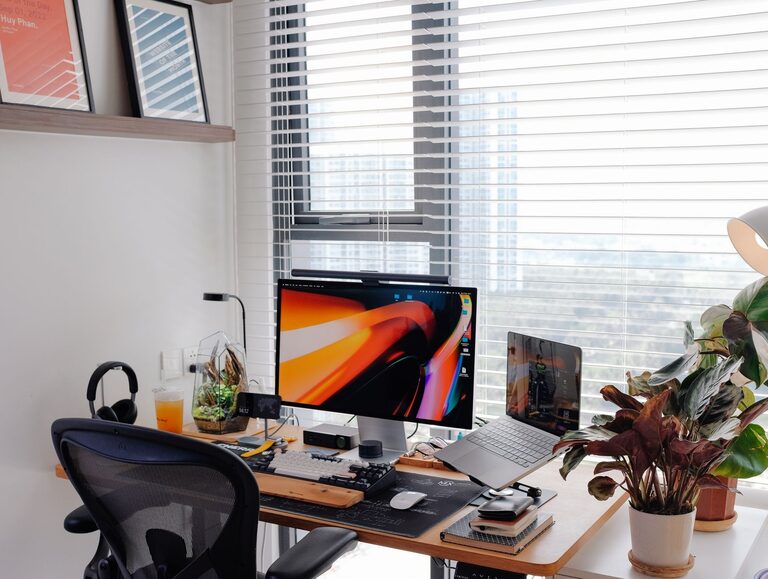
Natural light is proven to improve mood and productivity. Try to position your desk near a window to benefit from daylight. If that’s not possible, make sure your lighting setup mimics natural light as closely as possible with bright, warm bulbs.
Invest in Comfortable and Ergonomic Furniture
Select a Supportive Chair
A good office chair supports your back and promotes proper posture. Look for adjustable features like seat height, armrests, and lumbar support to customize your comfort.
Pick a Functional Desk
Your desk should be the right size for your work needs. If you use multiple monitors or need space for papers and tools, invest in a desk with ample surface area and storage options.
Organize with Purpose
Use Storage Solutions
Clutter can interfere with concentration. Use shelves, filing cabinets, or desk organizers to keep supplies and documents neatly stored.
Keep Essentials Within Reach
Arrange your most-used items near your workspace to avoid unnecessary interruptions. This keeps your workflow smooth and efficient.
Create a Cozy Atmosphere
Add Personal Touches
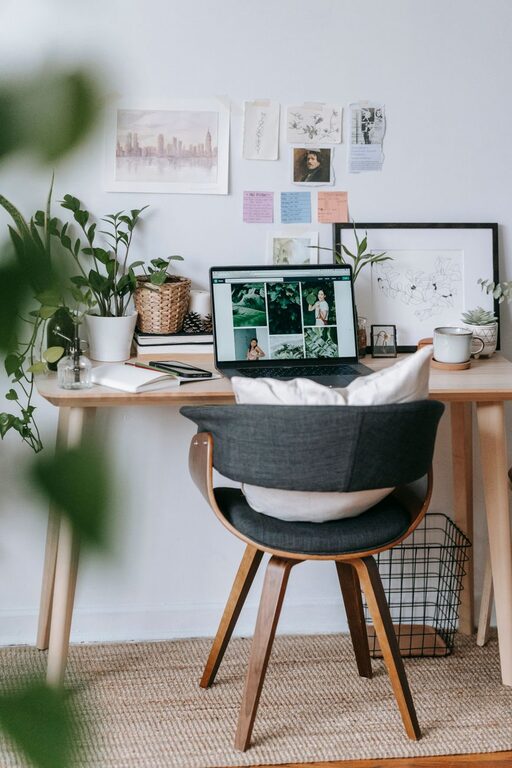
Incorporate elements that make the space feel inviting, like framed photos, favorite books, or decorative objects that inspire you.
Use Soft Textiles
Place a rug underfoot or add cushions on your chair for extra comfort. These touches can soften the room’s look and make it more welcoming.
Incorporate Plants
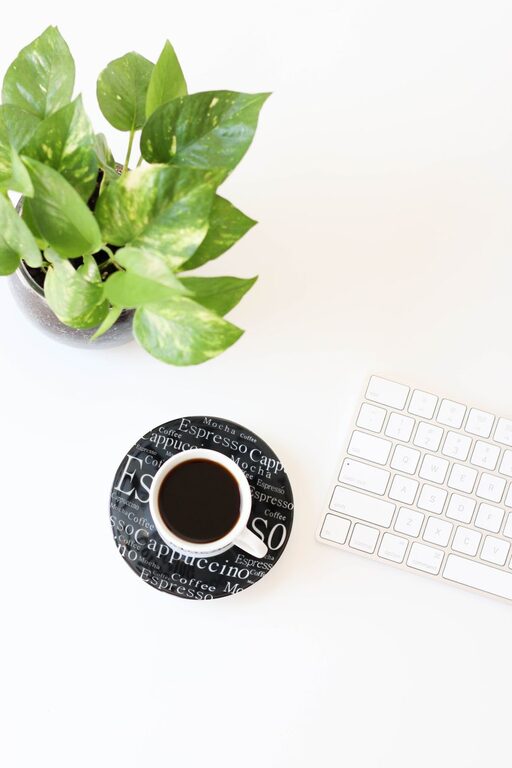
Plants improve air quality and create a calming environment. Choose low-maintenance options like succulents or snake plants to brighten your office.
Manage Technology Effectively
Ensure Good Cable Management
Avoid tangled cords by using cable clips, sleeves, or under-desk trays. A clean workspace free of visible wires helps maintain focus and looks tidy.
Optimize Your Equipment
Make sure your computer, printer, and other tech gear meet your needs and work efficiently. Regular maintenance can prevent frustrating downtime.
Establish Boundaries and Routine
Set Work Hours
Define your work schedule and stick to it. This helps create separation between your professional and personal life, even within the same space.
Designate the Space for Work Only
Try to keep your home office reserved for work-related activities. This psychological boundary can improve focus when you enter the room.
Maximize Lighting
Combine Ambient and Task Lighting
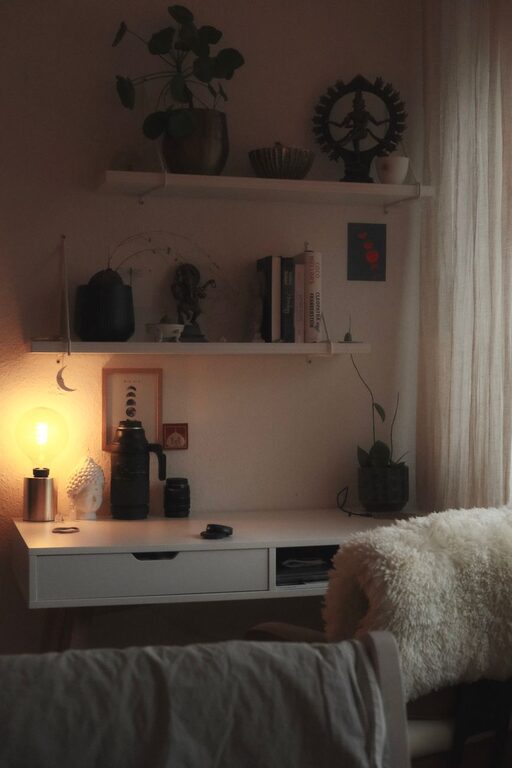
Good lighting includes both overall room lighting (ambient) and focused lighting (task). A desk lamp with adjustable brightness can reduce eye strain during detailed work.
Avoid Glare
Position your monitor perpendicular to windows or bright lights to minimize screen glare. This helps prevent headaches and improves comfort.
Keep the Space Flexible
Use Multi-Functional Furniture
If space is limited, consider furniture that doubles as storage or that can be folded away when not in use.
Allow Room to Move
Even in a small home office, leave space to stretch or change position. Movement throughout the day is important for health and comfort.
—
By thoughtfully selecting your home office location, furniture, and décor — and keeping organization and comfort in mind — you can create a cozy, functional workspace that supports your best work. Remember, the ultimate goal is to design a space that helps you feel focused and motivated while enjoying your time at home. Happy decorating!