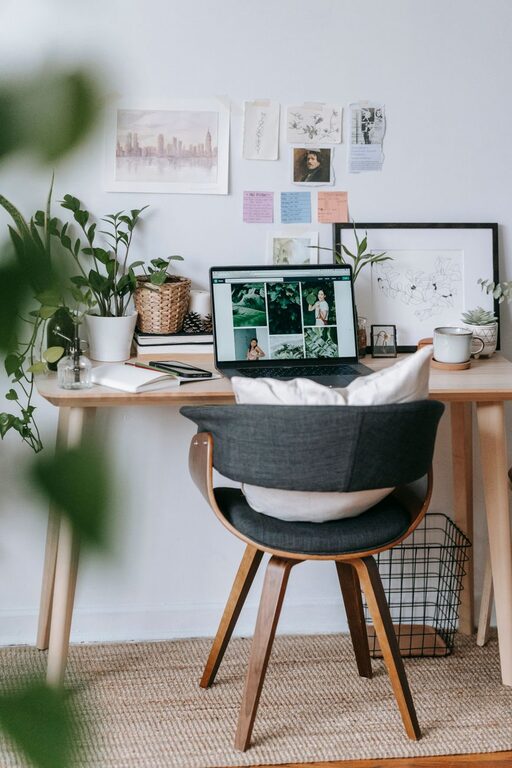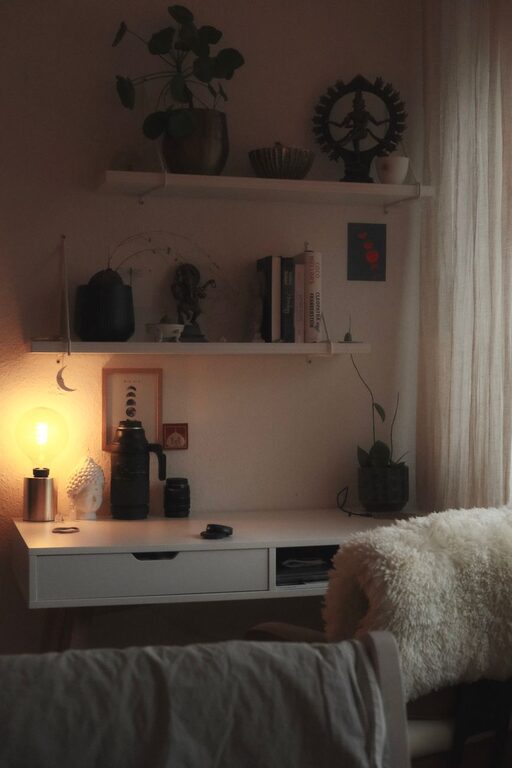
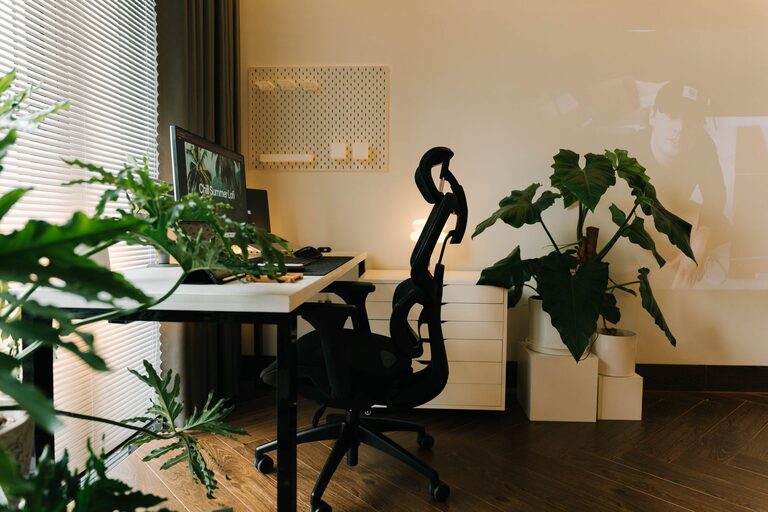
Creating a home office that is both cozy and functional can transform your workday. Whether you’re working remotely full-time or need a quiet spot for occasional tasks, having a dedicated space that inspires focus and comfort is essential. This guide covers helpful tips to design a workspace that’s practical, inviting, and tailored to your needs.
Why a Cozy and Functional Home Office Matters
A well-designed office promotes productivity and reduces stress. If your space feels cluttered or uncomfortable, you might find it harder to concentrate. On the other hand, a cozy environment can make work feel less like a chore. Balancing both comfort and utility helps you maintain motivation and efficiency.
Choose the Right Location
Prioritize Natural Light
Where possible, select a spot near a window. Natural light improves mood and reduces eye strain. Position your desk so that light comes from the side to avoid screen glare. If natural light is limited, invest in quality LED lighting that mimics daylight.
Consider Noise Levels
Pick a quiet corner of your home where interruptions are minimal. If complete silence isn’t possible, noise-canceling headphones or white noise machines can help create a focused atmosphere.
Space Planning
Make sure your office has enough room for essentials—a desk, chair, and storage—without feeling cramped. A compact space can work well with smart layout choices and multi-use furniture.
Select Comfortable and Ergonomic Furniture
Invest in a Good Chair
Since you’ll be sitting for extended periods, a supportive chair is crucial. Look for adjustable chairs that support your lower back, encourage good posture, and have a comfortable seat cushion.
Desk Choices
Choose a desk that fits your space and work habits. Standing desks or adjustable sit-stand models offer flexibility and promote movement. Make sure it’s wide enough to hold your computer, documents, and other tools without clutter.
Add Functional Storage
Keep your workspace tidy with shelves, filing cabinets, or desk organizers. Clutter can be distracting, so a place for everything helps maintain order and reduces stress.
Personalize Your Workspace
Colors and Decor
Soft, neutral colors create a calming environment, while pops of your favorite colors add personality. Avoid overly bright or distracting patterns.
Plants and Greenery
Adding plants can boost creativity and improve air quality. Small, low-maintenance plants like succulents or pothos work well in office spaces.
Inspirational Items
Photos, artwork, or motivational quotes make your office feel welcoming and inspire you throughout the day.
Maximize Organization and Efficiency
Cable Management
Use cable clips, sleeves, or boxes to keep cords tidy and out of the way. This keeps your desk clean and reduces tripping hazards.
Efficient Layout
Place frequently used items within arm’s reach. Arrange your computer, phone, and office supplies for easy access to minimize disruption.
Digital Organization
Keep your digital files organized with folders and consistent naming conventions. Use cloud storage for easy access and backup.
Optimize Lighting
Layered Lighting
Combine ambient, task, and accent lighting. A bright overhead light paired with a desk lamp helps reduce eye strain during long hours of work.
Adjustable Lighting
Choose lamps with adjustable brightness and color temperature to match your needs throughout the day.
Incorporate Break and Movement Areas
Take Regular Breaks
Have a comfortable chair or small area nearby where you can step away from your desk. Stretching and moving help reduce fatigue and improve focus.
Encourage Movement
If space allows, consider equipment like a small balance board, a yoga mat, or resistance bands to encourage movement during breaks.
Maintain a Routine and Keep It Clean
Daily Tidy-Up
Spend a few minutes at the end of each day cleaning your workspace. A clutter-free desk makes it easier to start the next day fresh.
Set Boundaries
Define your work hours clearly and communicate them with family members or roommates to minimize interruptions.
—
Creating a cozy and functional home office is more than just arranging furniture—it’s about designing a space that supports your work style and enhances well-being. By balancing comfort with practicality, you can create an inspiring environment that motivates you every day. Start small, personalize your space, and make adjustments as your needs evolve for the best results.